
How to Choose the Size of a Water Heater: Three Methods for Calculation
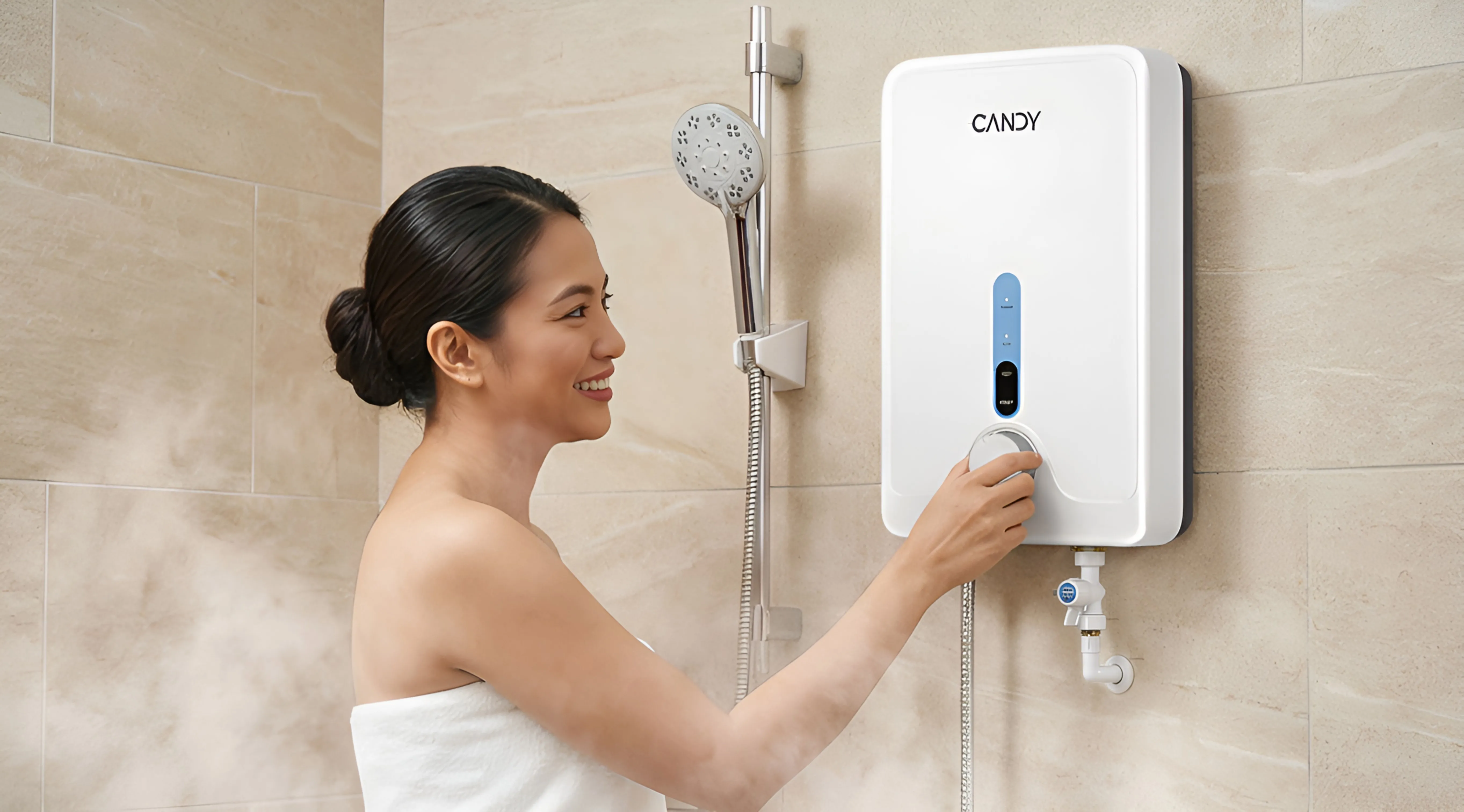
Water heaters come in various forms, from compact instantaneous models to combined dual-energy systems. For apartments and homes, they preheat water, store it in an insulated tank, and maintain a comfortable temperature, so you don't have to worry about pipe pressure or power outages when washing your face, dishes, or showering.
This article will tell you in detail what size water heater to choose for different tasks and scenarios.
Why Choosing the Right Capacity Water Heater Is Important
One of the most common mistakes when buying a storage water heater is choosing the wrong capacity. Not only will a very small tank cause problems, but a tank that's too large will also cause problems.
Compact water heaters are often chosen to save on electricity bills. This strategy only works when only one person uses hot water. In large families, storage quickly turns into disappointment—you shower, the dishes are out of hot water, or someone has already washed them, and the rest are waiting for the tank to heat up again.
On the other hand, it's easy to be tempted to take "for future use," but with some leeway—it seems like there's enough for showering and bathing, but still some left over. In reality, an oversized tank doesn't always bring comfort: it takes longer to heat up, consumes more electricity, and takes up a lot of space. Meanwhile, prolonged stagnation in the tank accelerates wear and tear on the tubular electric heater (especially in hard water).
Choosing the right water heater capacity has many advantages:
There is enough hot water for everyone who uses hot water daily;
The temperature the tank heats depends on your usage;
The unit won't run out of hot water;
Temperature fluctuations are infrequent.
Factors Influencing Water Heater Capacity Selection
The optimal water heater capacity depends on several factors.
The number of people in the house or apartment. The larger the household, the larger the hot water consumption and tank volume. In the main text below, we will tell you how many liters of water each person needs.
The frequency and duration of hot water use.
If you frequently need to use water (for showering, washing dishes, cleaning), or if family members use water in the shower and kitchen simultaneously, calculate the water heater capacity with a margin of 30-40% of the average water usage per person.
What will the hot water be used for?
The tank capacity depends directly on what you intend to use the water heater for—bathing, showering, washing dishes, and more. For example, a 10-15 liter model is sufficient for handwashing and washing hands; for those who enjoy hot baths, a capacity of 100 liters or more is recommended.
Housing size and number of bathrooms.
If your apartment or house has multiple bathrooms, a large kitchen, a shower, and a shower, the water heater must handle the increased load. In this case, it's best to choose a larger model that can supply water to multiple points simultaneously.
Seasonal use.
If you only use the water heater in the summer (e.g., when the hot water is off), a compact 30-50 liter model is sufficient; for year-round use, choose a model with 30-40% spare capacity.
How to calculate water heater capacity: Three working methods
1. By number of people:
This method is suitable for people who use hot water daily for showering, washing dishes, laundry, or other household needs.
If the water heater is only used for handwashing and washing dishes, a compact 10-15 liter unit is sufficient. For example, an under-sink installation—it can easily fit into a kitchen cabinet and heats water within 20 minutes.
For those who prefer showering, a 30-liter water heater is suitable (hot baths require a 75-liter or larger capacity). A family of two or three people can comfortably use a 50-80 liter aquarium.
A family of four should choose an aquarium with a capacity between 80-100 liters.
Five or more people are advised to choose a capacity of 100 liters or more.
When choosing an aquarium capacity, consider not only the number of people but also the family's daily routine. If everyone uses water at different times, a smaller aquarium can be purchased initially, and a larger, more powerful water heater can be chosen when everyone takes turns showering.
2. Consider the number of water outlets.
Water outlets can be in the bathroom, sink, kitchen sink, or other places that require hot water. When someone is showering, washing dishes in the kitchen, and washing dishes in the bathroom simultaneously in the morning, the water heater must provide uninterrupted hot water at all outlets.
To determine the optimal tank capacity, you need to add up the consumption at all points of simultaneous or continuous short-term use. The following are approximate values for calculation:
Sink or washbasin. Cleaning hot water used for washing hands and brushing teeth consumes approximately 3-5 liters within a few minutes, with a total water consumption of approximately 10-20 liters per use.
Showering requires more effort. A typical 10-minute shower requires an average of 40 liters of warm water. The water heater heats the water to 75-80°C, and by mixing it with cold water, you'll actually draw about 15-20 liters of water from the tank per person, depending on the season and supply water temperature.
The bathtub is where hot water consumption is highest. To fill a typical bathtub, you need about 150 liters of warm water. But like showering, the ratio of hot to cold water in the tank is roughly 1:1, so the water heater needs to provide at least 75 liters of hot water.
After calculating the total water consumption, add 30-40% to reserve water. This is to compensate for heat loss, unexpected situations (such as a longer shower than usual), and to maintain a comfortable temperature reserve.
3. According to the formula
For math enthusiasts and those wondering how many liters of water are needed in each situation, there's a formula:
V = Vt.v. × (T.v. — Tx.v.) / (Tb — Tx.v.)
Vtv. is the desired volume of warm water (in liters). tt.v. is the desired water temperature (typically 40°C).
Tx is the temperature of the source cold water (approximately 10°C).
Tb is the water temperature heated by the water heater (e.g., 65°C).
Scenario: Three people shower for 10 minutes, each consuming 40 liters, so the whole family needs 120 liters of warm water per day.
Our calculation: 120 × (40 – 10) / (65 – 10) = 65 liters
Summary: A 70-liter tank provides sufficient hot water. In this case, the appropriate model is 80 liters, with two power ratings, and a heating time of 1 hour and 24 minutes.
If the water heater has a higher power rating (e.g., 2-3 kW), you can choose a smaller model—the water heats up faster and replenishes as needed.
In summary — how to avoid making mistakes regarding volume
To ensure your water heater can handle your needs, accurately determining your required water volume is crucial. Here's a brief summary to help you choose the right model.
Determine how many people will be using the water: The more people, the larger the tank volume. One person—start with 30 liters; for a couple—start with 50 liters; for a family of four or more—start with 100 liters.
Think about how the hot water will be used. 10-15 liters is enough for washing dishes, 30 liters or more for showering, and at least 100 liters for bathing.
Assess how frequently and for what duration you use the water. If you need to use water at multiple points simultaneously (e.g., showering and kitchen), choose a model with a volume margin of at least 30%-40% higher than your basic calculation.
Consider seasonality. If you only need the water heater in the summer, choose a compact model; if you use it year-round, a model with a larger margin is better.
Choose a calculation method that best suits your needs: by number of people, by number of water outlets, or by using a formula.
This article is reprinted from: https://candy-home.ru/blog/lifehaks/kak-vybrat-obem-vodonagrevatelya-tri-sposoba-rascheta-pod-vashi-zadachi/
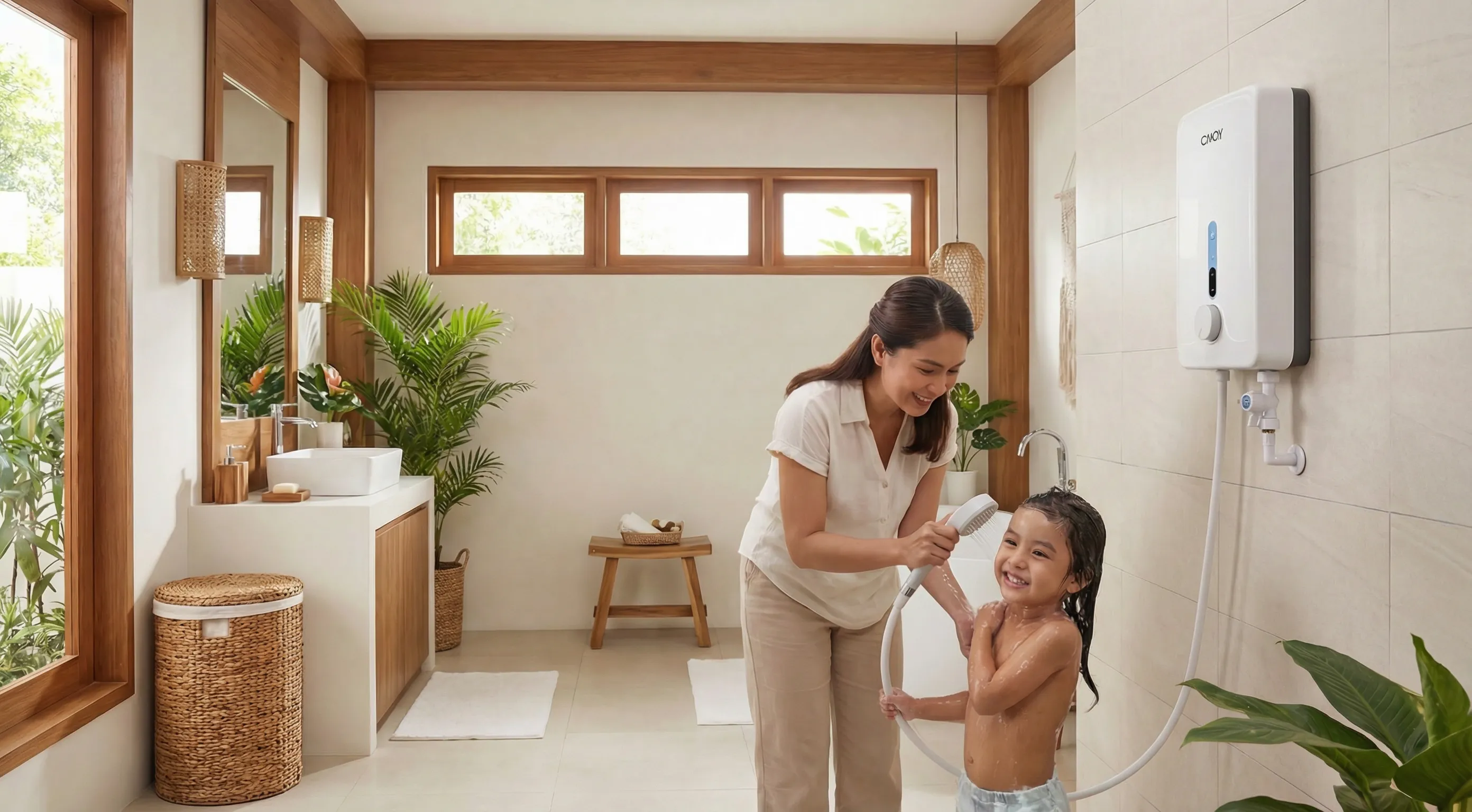
Candy Launches Dart Series Water Heater, Tailored for the Tropics
Candy officially launches its first instant water heater designed for tropical environments—the Candy Dart Series—in the Philippines.
 263
263
From Italy to the Philippines: Candy Introduces a New Era of Living Solutions
Guided by the philosophy of “Smart, Efficient, Simple,” Candy aims to deliver a fresh lifestyle experience tailored to Filipino consumers.
200