How to Choose a Water Heater in the Philippines: A Complete Guide
 1454
1454
There's nothing more comforting than taking a hot shower in cold weather. Buying a water heater is a significant investment that directly impacts your home's comfort. With a dazzling array of water heater types and features, how do you choose the right one for you? Check out our shopping guide!
Know about Water Heater Types and Their Advantages and Disadvantages
Water Heater Type | Advantages | Disadvantages |
Conventional Storage Tank Water Heaters |
|
|
Tankless & instantaneous Water Heaters |
|
|
Heat Pump (Hybrid) |
|
|
Solar Water Heater |
|
|
What Capacity Water Heater Do You Need?
When choosing a water heater, it's generally necessary to consider the specific needs of your family. If the water heater's capacity is insufficient, it may not meet the family's simultaneous hot water demand.
Storage water heaters
For storage-type electric water heaters, the tank capacity is crucial. The tank size directly determines the amount of water that can be dispensed. The capacity should be determined based on family size and water usage habits: 30-40 liters for a single or 2 people household; 40-50 liters for a 3 people household; and 50 liters or more for a family of four or more. If you require bathing or have multiple bathrooms, a larger capacity (e.g., 80 liters or more) is needed. You should also consider whether your water usage is concentrated in one area and the water usage habits of your family members to comprehensively determine the capacity.
Household Size | Estimated Tank Capacity (Gallons) |
1-2 People | 30–40 gallons |
2-3 People | 40–50 gallons |
3-4 People | 50–60 gallons |
5+ People | 60–80 gallons |
Instantaneous electric water heater
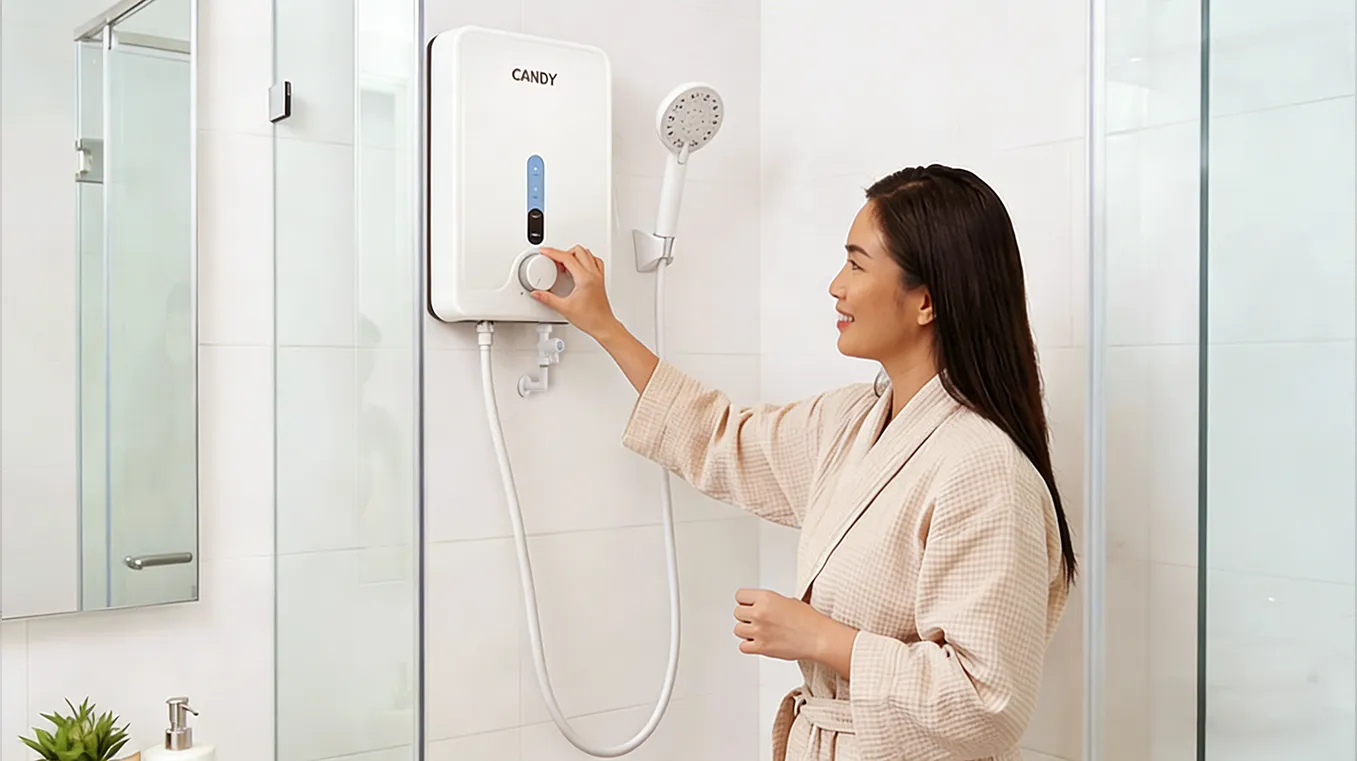
Instantaneous electric water heaters are very small. They are simply turned on, and an internal rapid heating element quickly heats the flowing water. The water temperature, flow rate, and power are controlled by a circuit to bring the water to the desired temperature.
The key indicator when choosing an instant electric water heater is its capacity (GPM) at a specific temperature rise (the difference between the incoming cold water temperature and the desired hot water temperature).
To better understand this, we can use power rating; higher power means faster heating. However, this doesn't mean that the higher the power of a household water heater, the better, as excessive power can cause problems like tripping the circuit breaker. Generally, instant water heaters have a power rating of around 3 kilowatts.
Solar water heater
What product performance should you pay attention to when purchasing a solar water heater? Actually, the key to choosing a solar water heater's overall performance is its heat gain in winter.
The following factors mainly affect the heat gain of a solar water heater in winter:
First, the collector area and collector performance. Generally speaking, the larger the collector area, the greater the heat gain, and vice versa. With the same collector area, the performance of the vacuum tube collector is a crucial factor affecting the solar water heater's heat gain capacity.
Second, the insulation capacity of the water tank. Besides heat gain capacity, the insulation capacity of a solar water heater is also important. The thickness and material of the water tank insulation layer are crucial parameters affecting the tank's insulation performance.
What size water heater can be installed in a bathroom?
Traditional storage water heaters are typically not installed directly in bathrooms due to their large size, safety hazards, and moisture issues. They are usually installed in garages, basements, utility rooms, or attics.
However, in or near a bathroom, you primarily have two hot water options:
Instantaneous Water Heaters
Small storage water heaters (2.5 to 19 gallons) or small electric water heaters (instantaneous) can be installed under the sink or mounted on the wall of a bathroom cabinet or utility room due to their compact size.
Whole-House Instantaneous Water Heaters
While standard whole-house instantaneous water heaters are not installed in the main bathroom space, their compact wall-mounted design makes them suitable for installation in small utility rooms or laundry rooms near the main bathroom, which is often a good option when space is limited.
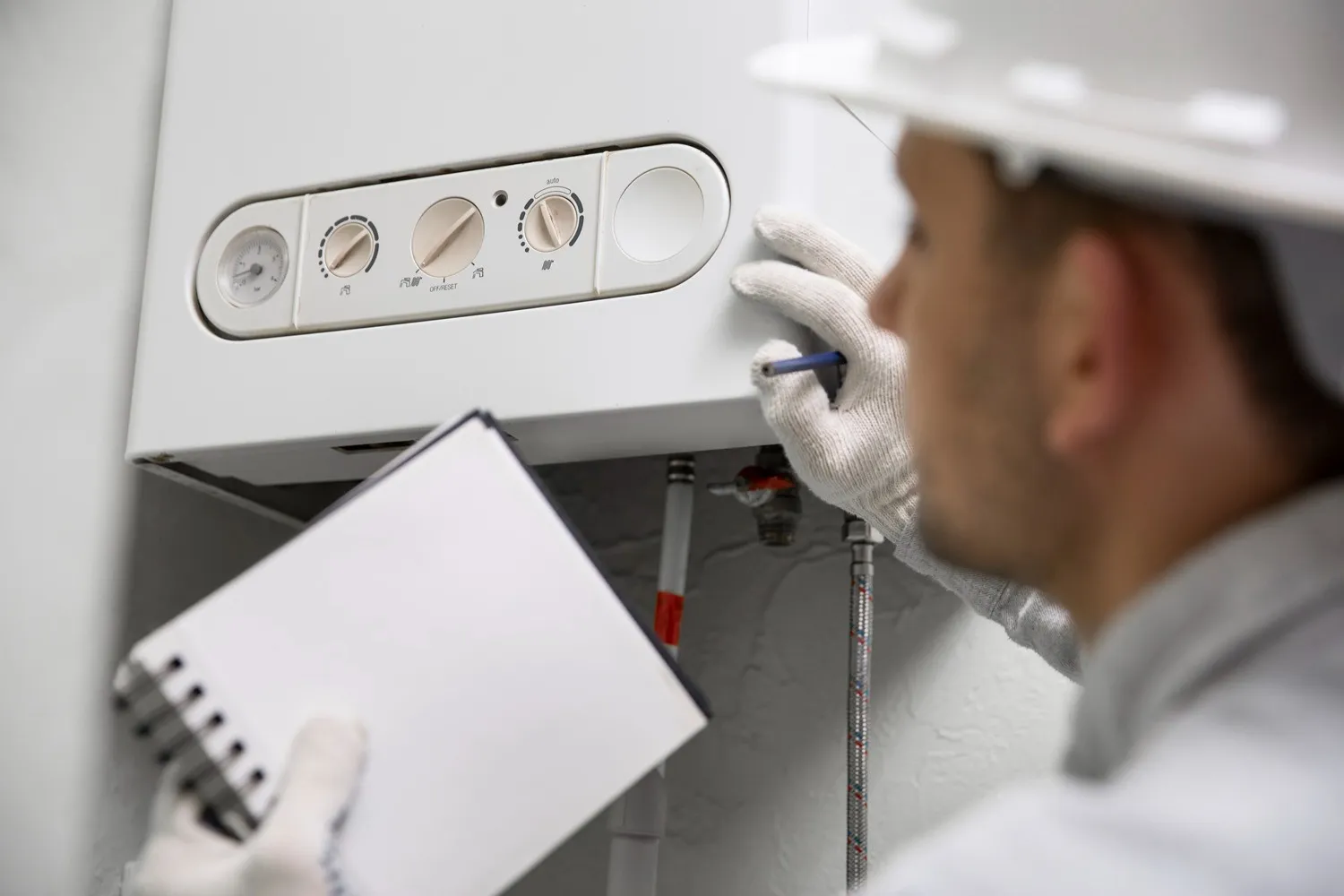
The actual installation dimensions depend on the specific dimensions of the available closet space, local building codes, and required ventilation clearances. Always consult a professional plumber before installation, especially when it comes to plumbing, ventilation, or complex electrical requirements.
Choosing a water heater is a long-term investment that directly affects your daily comfort! Which water heater is best for you?