
Electric vs. Gas Water Heaters: What Should You Choose?
Nothing is more relaxing than taking a hot shower. However, if you choose the wrong water heater, relaxation can turn into agony. Household water heaters can be broadly divided into two categories—gas water heaters and electric water heaters. So, which type should you choose? We will show you the advantages and disadvantages of each type of water heater from different perspectives.
What are Gas Water Heaters and Electric Water Heaters?
As the names suggest, gas water heaters use gas to heat water, while electric water heaters use electricity. They can each be further subdivided into different types. For detailed distinctions, please refer to this blog:
A one-stop guide for different types of water heaters.
Installation Costs
Electric water heaters are small and can usually be installed by the user with minimal additional installation fees. Gas water heaters involve the cost of gas pipes and various valves, which are relatively expensive, and installation involving gas pipelines is potentially dangerous. Installation peration require professional workers, and installation costs vary by region.
Installation Space
Gas water heaters consume a large amount of oxygen and emit exhaust fumes during heating. Therefore, their installation location must have good ventilation. Avoid installing them inside enclosed cabinets or closets; they are best installed in well-ventilated locations such as kitchens or balconies.
Storage-type electric water heaters can be placed in the bathroom or wall-mounted; however, considering the weight of the storage-type water heater and its weight when full of water, the wall must be load-bearing. Instantaneous electric water heaters are small in size and easy to install, typically mounted directly on the bathroom wall.
Heating Speed
Gas water heaters are instantaneous water heaters that heat water by burning gas (usually natural gas, liquefied petroleum gas, or coal gas). When you turn on the tap, the water heater starts heating the water, quickly warming it to the required temperature before it flows out.
Electric water heaters use an electric heating element to heat the water in the tank. There are two types of electric water heaters: storage-type and instantaneous.
Gas water heaters have no limit on the amount of hot water they can provide; the gas is heated as needed. Storage-type electric water heaters, on the other hand, have a limited capacity; once the tank is empty, it takes time to reheat the water.
Instantaneous water heaters are similar to gas water heaters at their heating speed, heating water instantly and requiring no waiting time.
Safety
Gas water heaters installed in bathrooms without a flue or whose exhaust pipe doesn't lead outdoors pose a very high safety risk. Incorrect placement can lead to insufficient oxygen or incomplete combustion, and the emitted fumes may cause carbon monoxide poisoning, endangering life.
While electric water heaters pose a risk of electric leakage, the internal circuitry of the water heater is insulated. Furthermore, with technological advancements, many water heaters now come equipped with built-in leakage protection devices. Choose products from well-known brands with complete quality certifications to minimize the risk of leakage.
Health
Storage-type electric water heaters, due to the continuous heating of stored water, are more prone to limescale buildup. Additionally, the long-term storage of water can promote bacterial growth. Because limescale and bacteria hide in unseen places, and cleaning the inner tank and changing the water is quite troublesome, few households clean them regularly. Instantaneous gas water heaters and instantaneous electric water heaters do not pose this safety hazard.
Daily Costs
Electric and gas water heaters operate on different principles, resulting in different operating costs. Gas water heaters consume less energy than electric water heaters. This is because gas water heaters use gas directly for heating, resulting in higher thermal efficiency, while electric water heaters require converting electrical energy into heat, leading to relatively higher energy consumption.
Electric water heaters only require connection to a power source and water pipes; gas pipeline installation and connection are not necessary, making installation costs relatively low. Gas water heaters, on the other hand, require connection to a natural gas pipeline or liquefied petroleum gas (LPG) tank, necessitating professional installation and connection, thus increasing installation costs.
Furthermore, electric water heaters have lower maintenance costs. Because they lack easily damaged parts such as gas pipelines and combustion chambers, maintenance and upkeep are relatively simple. Regular cleaning and disinfection are sufficient.
When choosing a water heater, you can refer to the above aspects and combine them with your local conditions and family's specific circumstances to select the most suitable water heater for youself!

How to Choose a Water Heater in the Philippines: A Complete Guide
There's nothing more comforting than taking a hot shower in cold weather. With a dazzling array of water heater types and features, how do you choose the right one for you? Check out our shopping guide!
 793
793
Candy Launches Dart Series Water Heater, Tailored for the Tropics
Candy officially launches its first instant water heater designed for tropical environments—the Candy Dart Series—in the Philippines.
263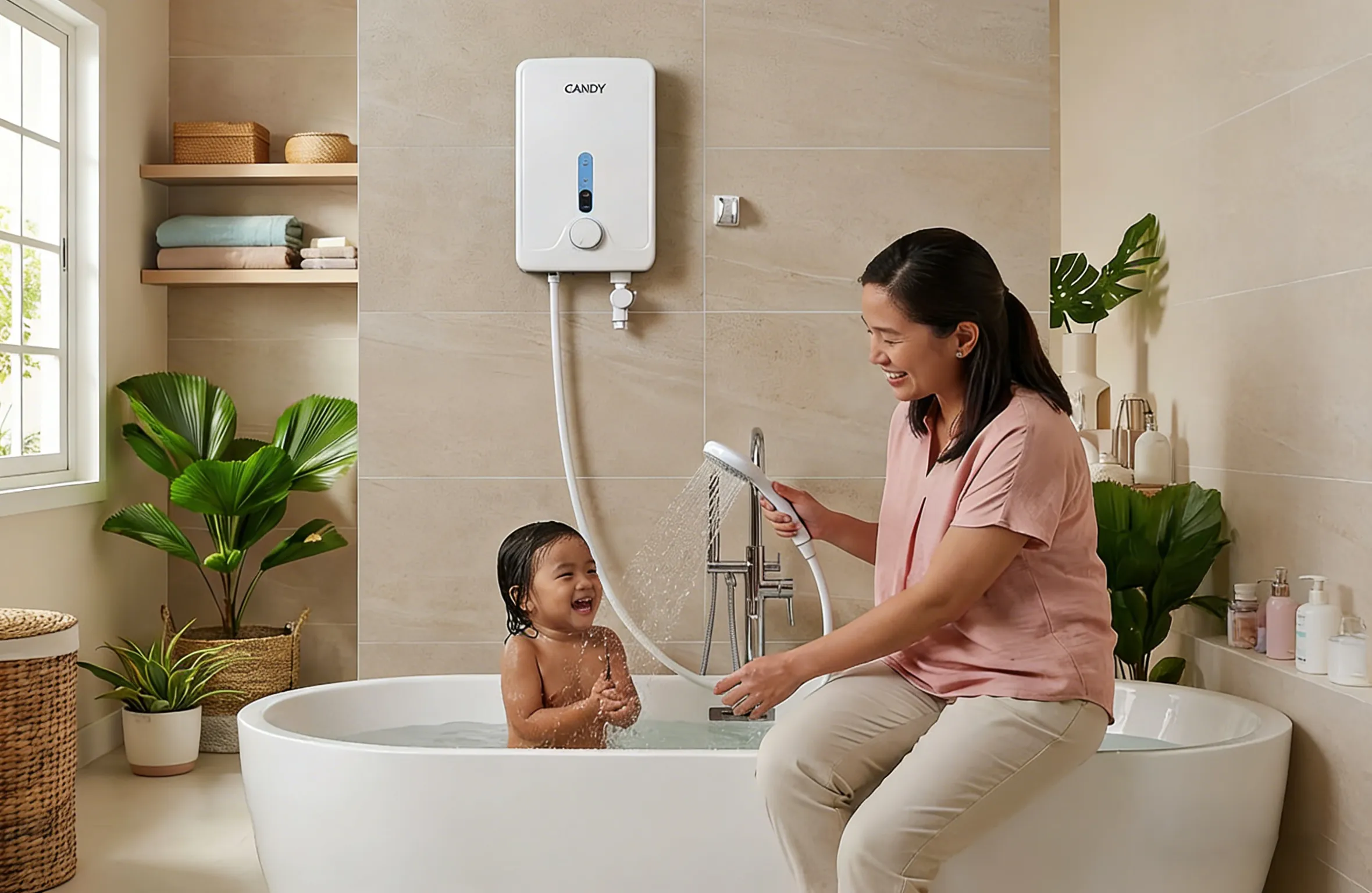
A One-Stop Guide For Different Types Of Water Heaters
With an increasing variety of water heaters on the market, how do you choose the right one for you? Before making a selection, it's essential to have a thorough understanding of the different types of water heaters.
152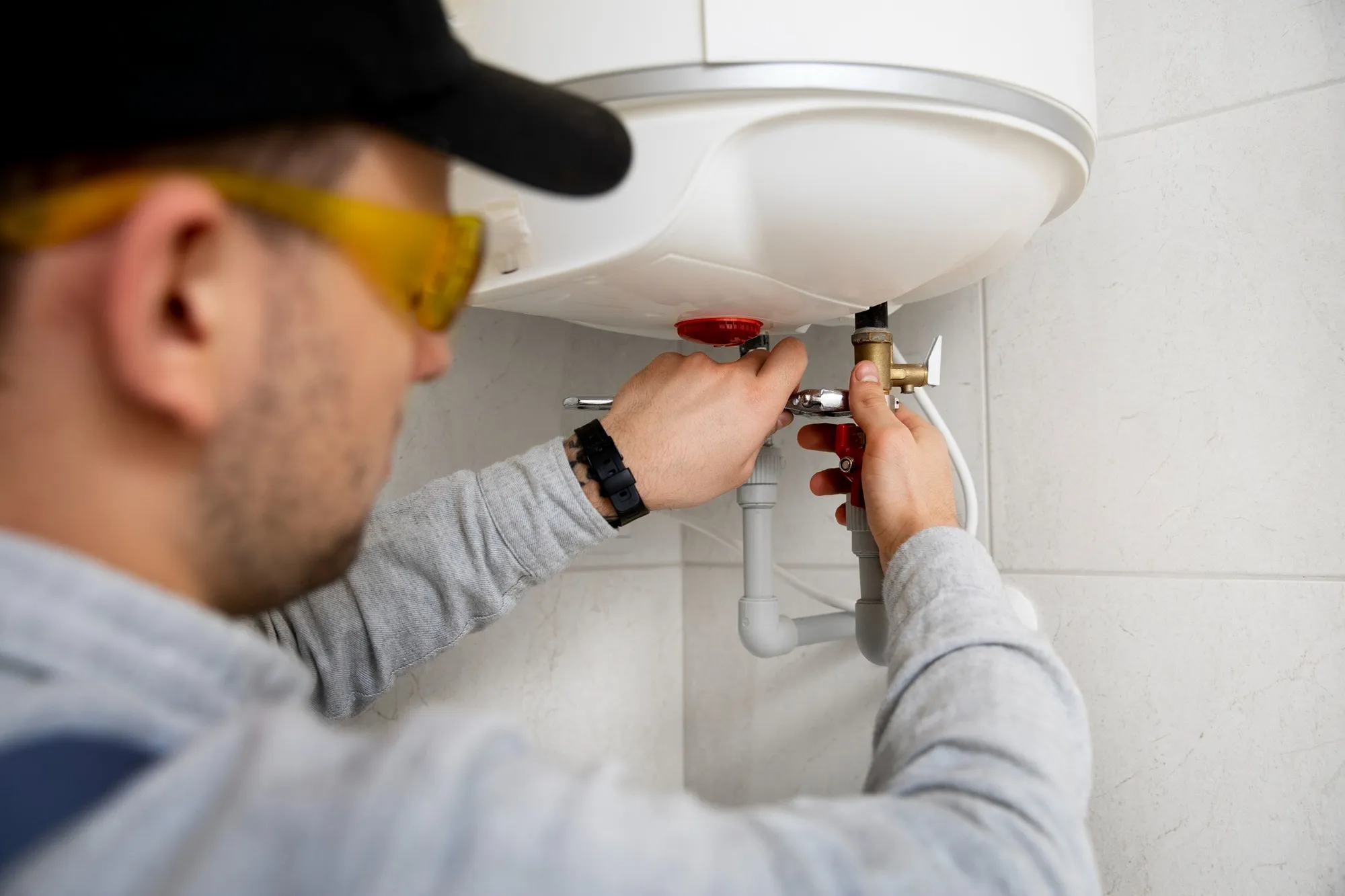
How to Improve Electric Water Heater Efficiency?
How to use a water heater most efficiently has become a concern for many people. So, how can you improve the efficiency of your electric water heater?
185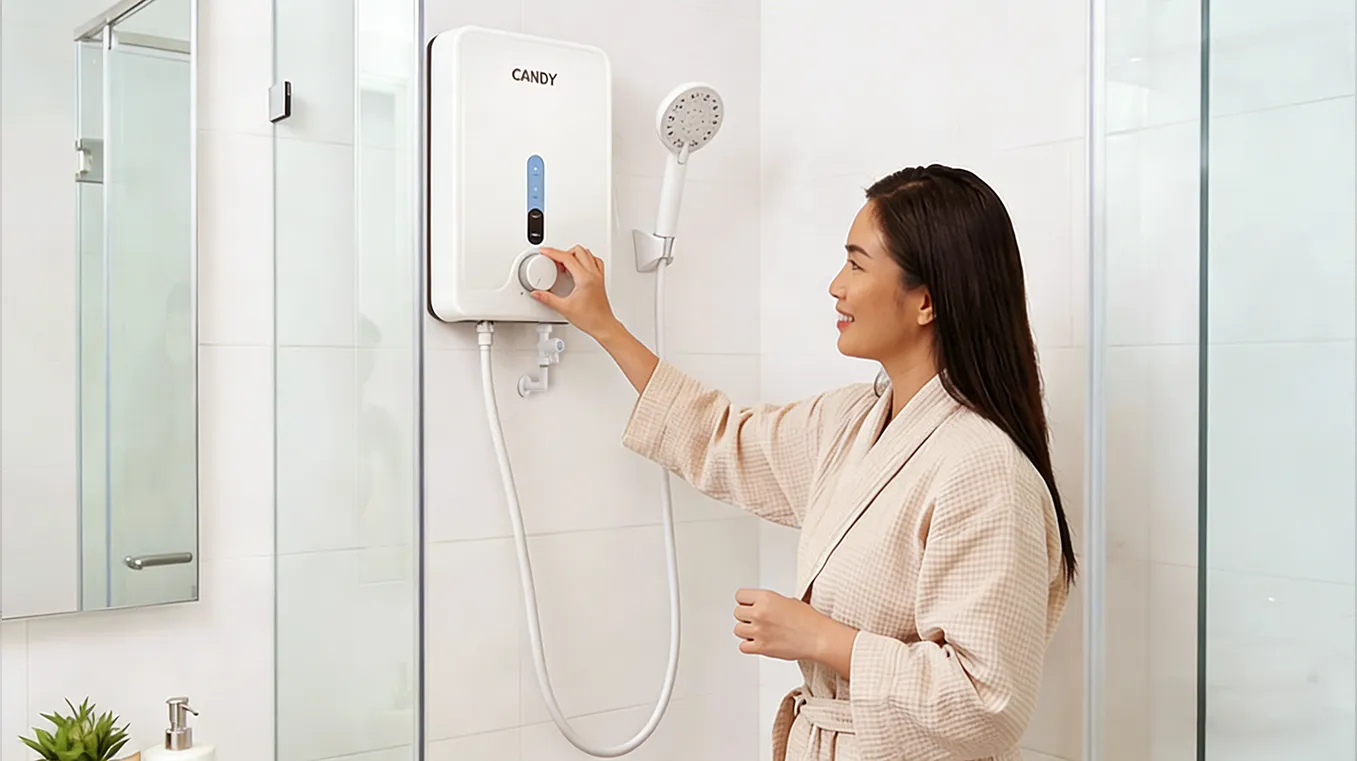
Tank vs. Tankless Water Heaters: Which is Best for Your Home?
When choosing an electric water heater, should you choose a storage-type or an instant water heater? Each type addresses the weaknesses of the other, but neither fully leverages the other's advantages.
169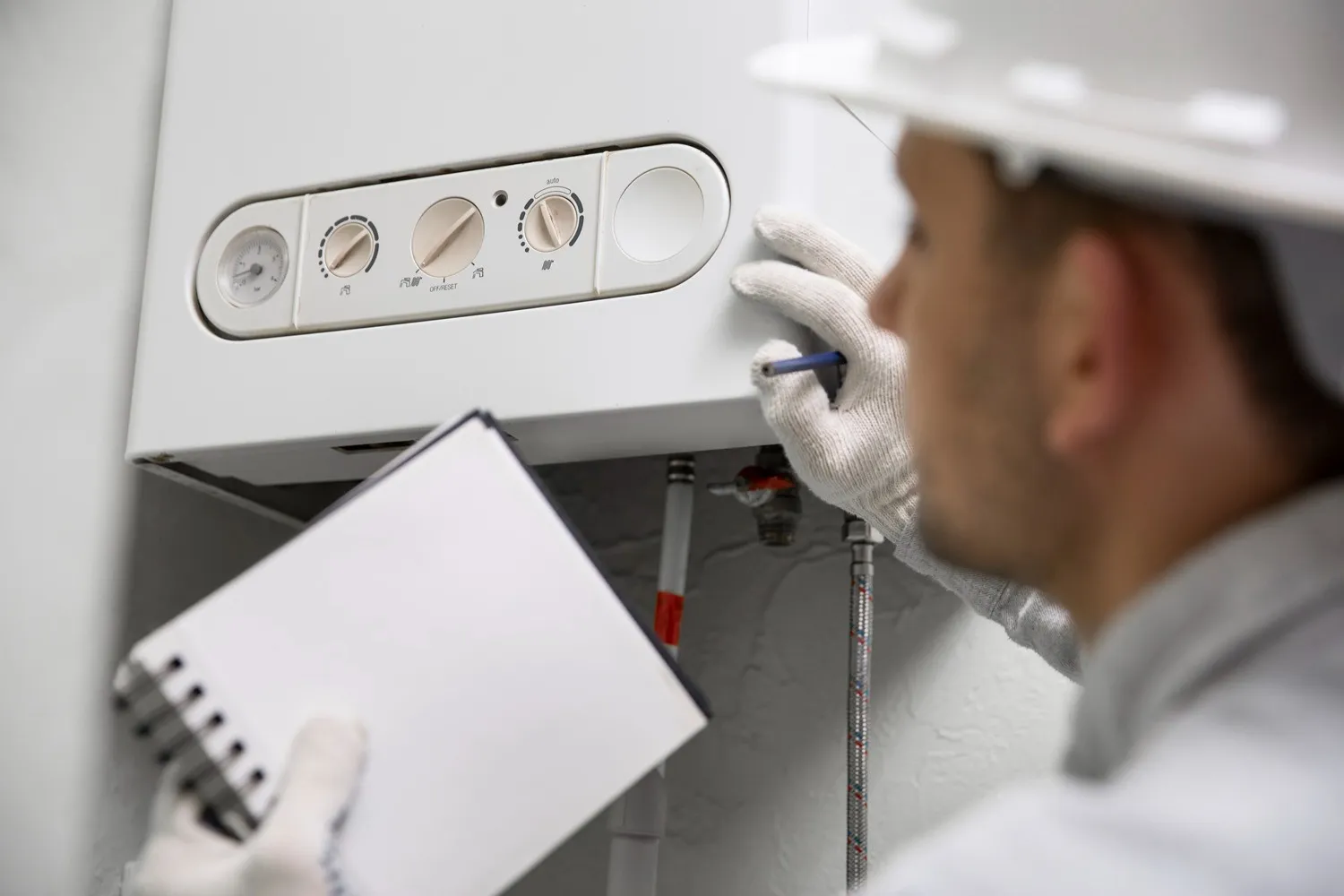
How to Maintain a Water Heater?
Water heaters are commonly used household products, but they require regular maintenance and cleaning. Proper maintenance can extend the lifespan of the water heater and improve its operating efficiency, leading to better energy savings.
176
How Many Watts Does A Water Heater Use?
When you're enjoying a hot shower or soaking in a warm bath, you probably don't think about "how many watts does my water heater consume?" But understanding the power consumption of your electric water heater can help you better understand your electricity bill.
185