
How to Maintain a Water Heater?
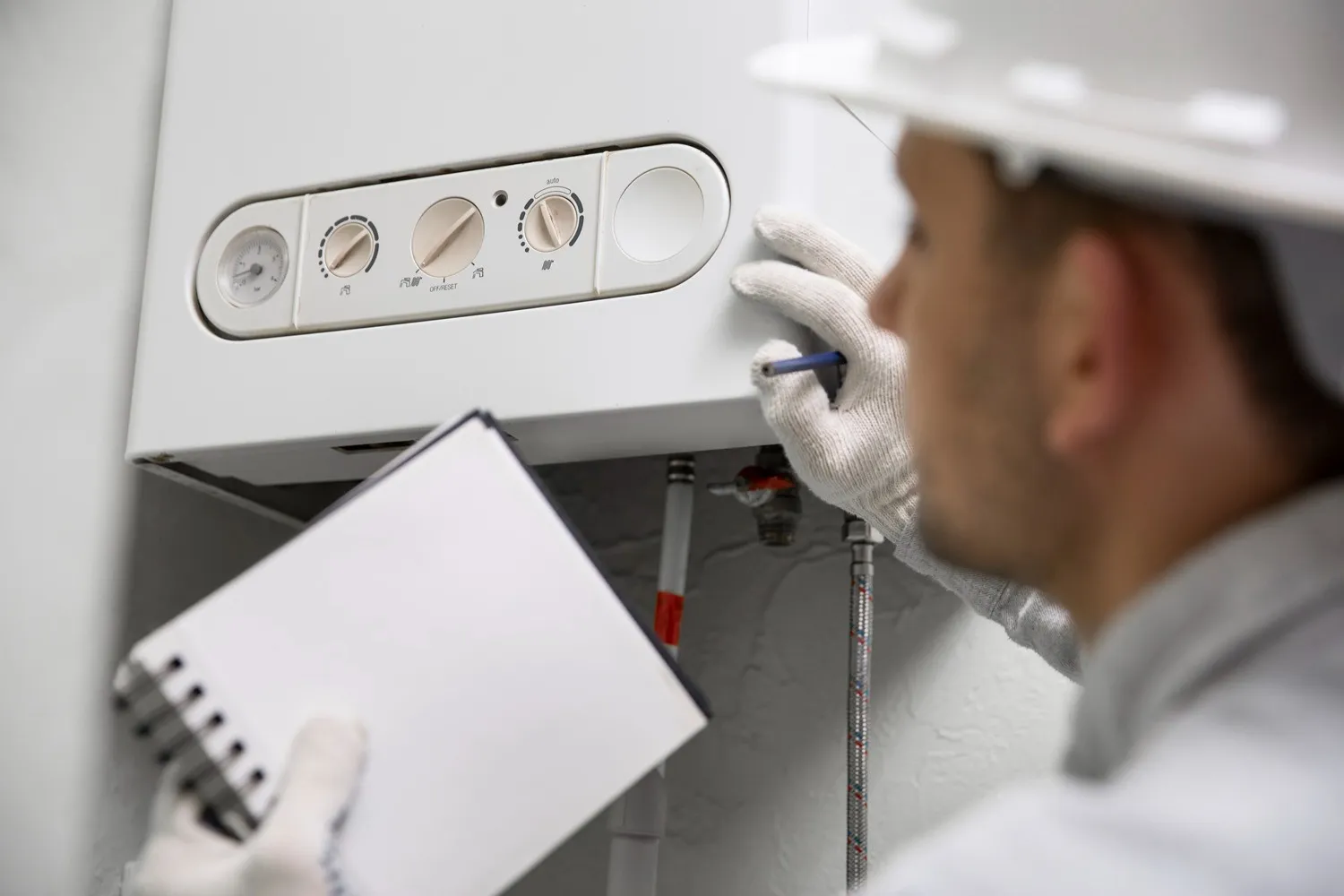
Water heaters are commonly used household products, but they require regular maintenance and cleaning. Proper maintenance can extend the lifespan of the water heater and improve its operating efficiency, leading to better energy savings.
I. Electric Water Heater Inspection and Maintenance
Turn off the power
Some users leave their water heaters constantly powered on, even when traveling or on business trips. This can easily damage the thermostat and heating element inside the water heater.
Users who keep their electric water heaters powered on continuously should inspect their water heaters. If any abnormalities are found, contact a professional repair technician immediately. When the electric water heater is not in use for an extended period, it is recommended to turn it off to save energy and ensure safety.
Regular Cleaning
The inner tank of a storage-type water heater is prone to scale buildup due to long-term water storage and heating. Regularly cleaning the inner tank with a special cleaning agent or white vinegar to remove scale and impurities can ensure heating efficiency.
Check for Leaks
Check pipe connections: Regularly check the connections of the inlet and outlet pipes to ensure there are no leaks.
Check the sealing ring: Check if the sealing ring is aging or damaged, and replace it promptly if necessary.
Check Safety Devices
Check the safety valve: Regularly check if the safety valve is working properly to ensure that it automatically releases pressure when the water pressure is too high.
Check the exhaust pipe: Ensure that the exhaust pipe is unobstructed to prevent the accumulation of exhaust gases.
Avoid Frequent Switching
Reduce energy consumption: Avoid frequently switching the electric water heater on and off to reduce energy consumption and extend its lifespan.
Set the timer function: If the electric water heater supports a timer function, you can set it to preheat automatically before use and turn off automatically after use.
II. Gas Water Heater Cleaning and Maintenance
To clean the water heater casing and pipes, simply wipe them with a damp cloth. Do not use acidic or alkaline cleaning agents. Before wiping the gas water heater pipes, you need to turn off the main natural gas valve and avoid using hot water.
Check the exhaust pipe for any breakage or damage; otherwise, carbon monoxide produced by the water heater may leak, easily causing personal injury.
Regularly check the gas pipe connections with soapy water for bubbles, indicating leaks. Check if the rubber hose is intact, and look for signs of aging, cracks, or leaks. If any problems are found, address them immediately. Also, check for any water leaks from the water heater. For safety, the rubber hose should generally be replaced every 2-3 years.
If the gas water heater experiences problems such as poor water flow or failure to ignite, there may be impurities or scale blocking the filter. You need to disassemble the water inlet connector, remove the filter, and clean it.
III. How to Clean the Water Heater Tank
Cleaning an Electric Water Heater Tank
Before cleaning the electric water heater, unplug the power cord, disconnect all forms of heating, and close the cold and hot water valves at the bottom of the water heater.
Disconnect the inlet and outlet water pipe connectors of the water heater, open the drain plug nut, and let all the water in the tank drain out. Wait until there is basically no more water flowing out of the drain and inlet/outlet pipes; at this point, most of the water in the tank has been drained, and most of the scale in the tank has also been discharged with the water.
Connect the cold water pipe to the hot water outlet of the water heater, open the cold water valve, and let cold water flush into the tank. You will see some dirty water or scale chunks flowing out of the drain. At this point, you can intermittently close and open the cold water inlet valve, repeating the process to continuously flush the tank. Stop when the water flowing out is relatively clean.
Tighten the drain plug nut, reconnect the inlet and outlet pipes to the water heater's inlet and outlet ports, then open the hot water outlet valve and open the inlet valve to fill the water heater and purge the air. Once water flows out of the hot water outlet, the water heater can be powered on for heating.
Check all connections for leaks. If there are leaks, reconnect them to ensure that all connections are leak-free. After turning on the power to the water heater, check the heating function. Only when everything is normal is the water heater cleaning process complete.
Cleaning a Gas Water Heater
Gas water heaters accumulate a large amount of carbon deposits after prolonged use. If not cleaned promptly, this will lead to slow and reduced hot water output. Therefore, regular removal of carbon deposits is necessary to prevent a significant decrease in the water heater's thermal efficiency.
Cleaning and Maintenance Methods:
Immerse the burner with accumulated carbon deposits in a cleaning solution containing a carbon remover. Soak until the carbon deposits soften, then wipe clean with a brush or old cloth, and finally rinse with water. The burner cannot be used again until it is completely dry.
When cleaning carbon deposits on the heat exchanger, do not use carbon removers, as this may damage the heat absorption and heat reflection coating layers on the heat exchanger. Simply wipe with a cloth or brush.
Gas water heaters have complex internal structures. If you are unable to clean the heat exchanger and burner components yourself, it is recommended to contact a professional for on-site maintenance.
Proper use and maintenance of your gas water heater will not only extend its lifespan but also ensure the safety and comfort of your household. By understanding these maintenance tips, you can better manage your hot water supply.

How to Choose a Water Heater in the Philippines: A Complete Guide
There's nothing more comforting than taking a hot shower in cold weather. With a dazzling array of water heater types and features, how do you choose the right one for you? Check out our shopping guide!
 793
793
Electric vs. Gas Water Heaters: What Should You Choose?
Household water heaters can be broadly divided into two categories—gas water heaters and electric water heaters. So, which type should you choose?
262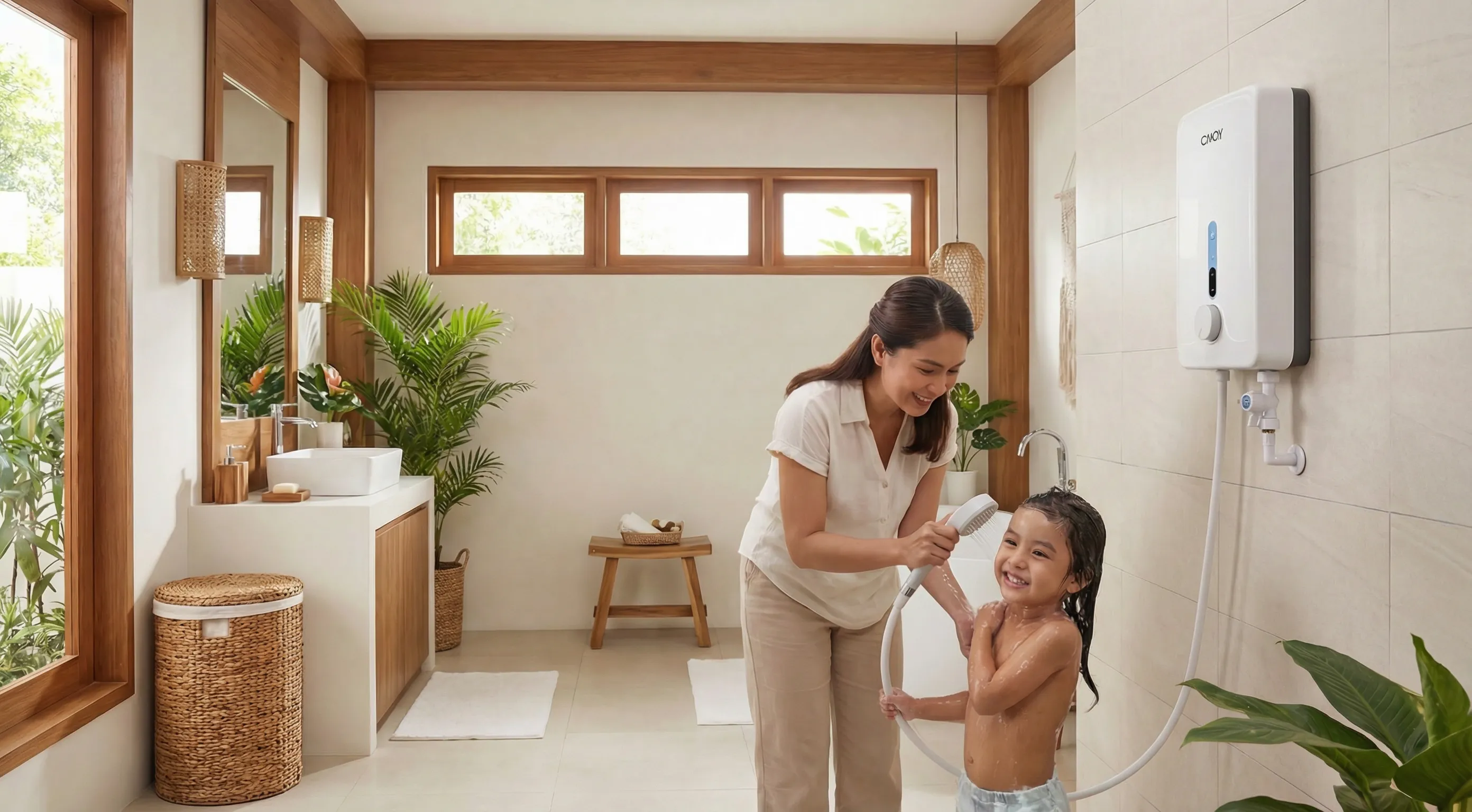
Candy Launches Dart Series Water Heater, Tailored for the Tropics
Candy officially launches its first instant water heater designed for tropical environments—the Candy Dart Series—in the Philippines.
263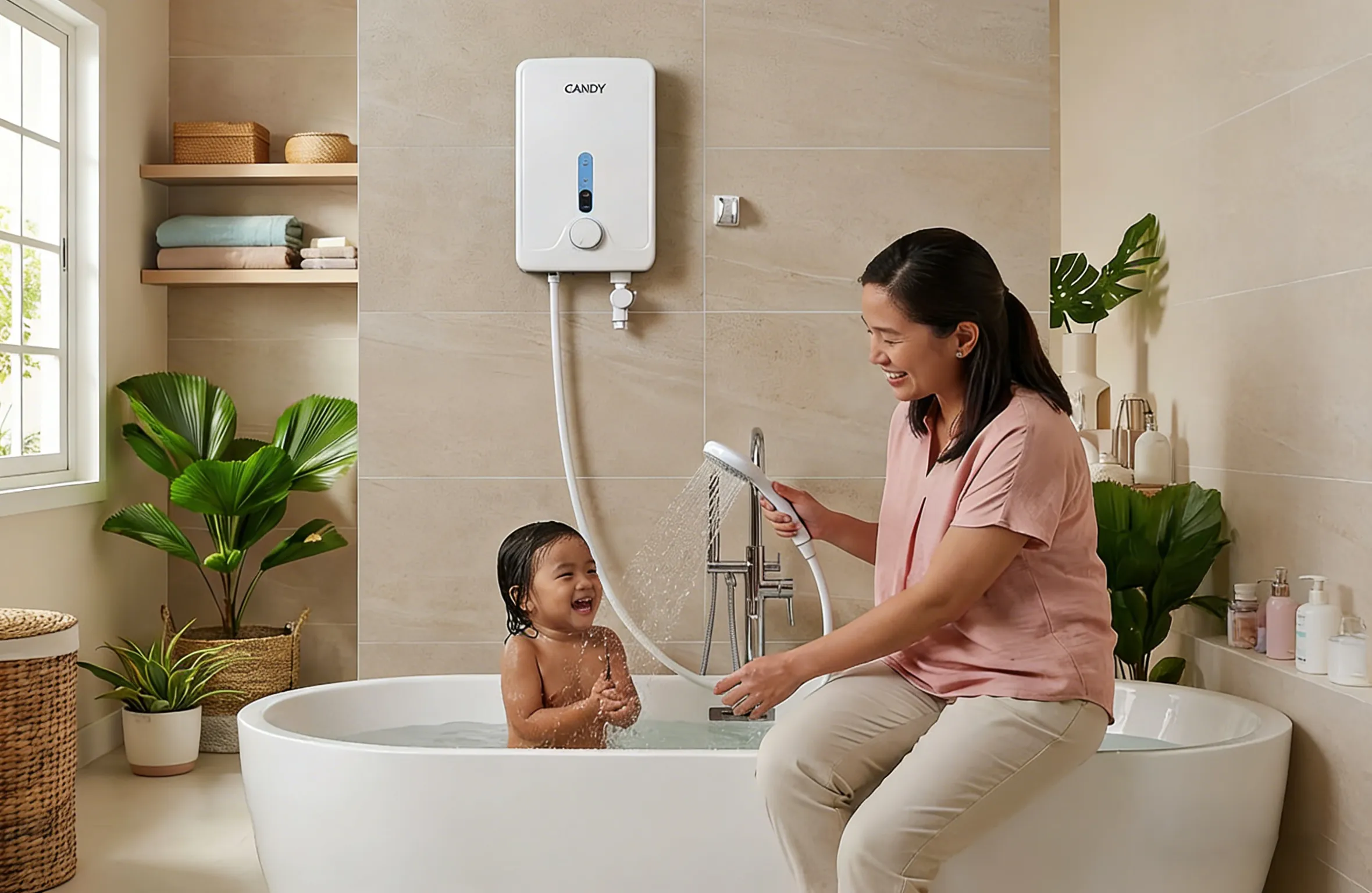
A One-Stop Guide For Different Types Of Water Heaters
With an increasing variety of water heaters on the market, how do you choose the right one for you? Before making a selection, it's essential to have a thorough understanding of the different types of water heaters.
152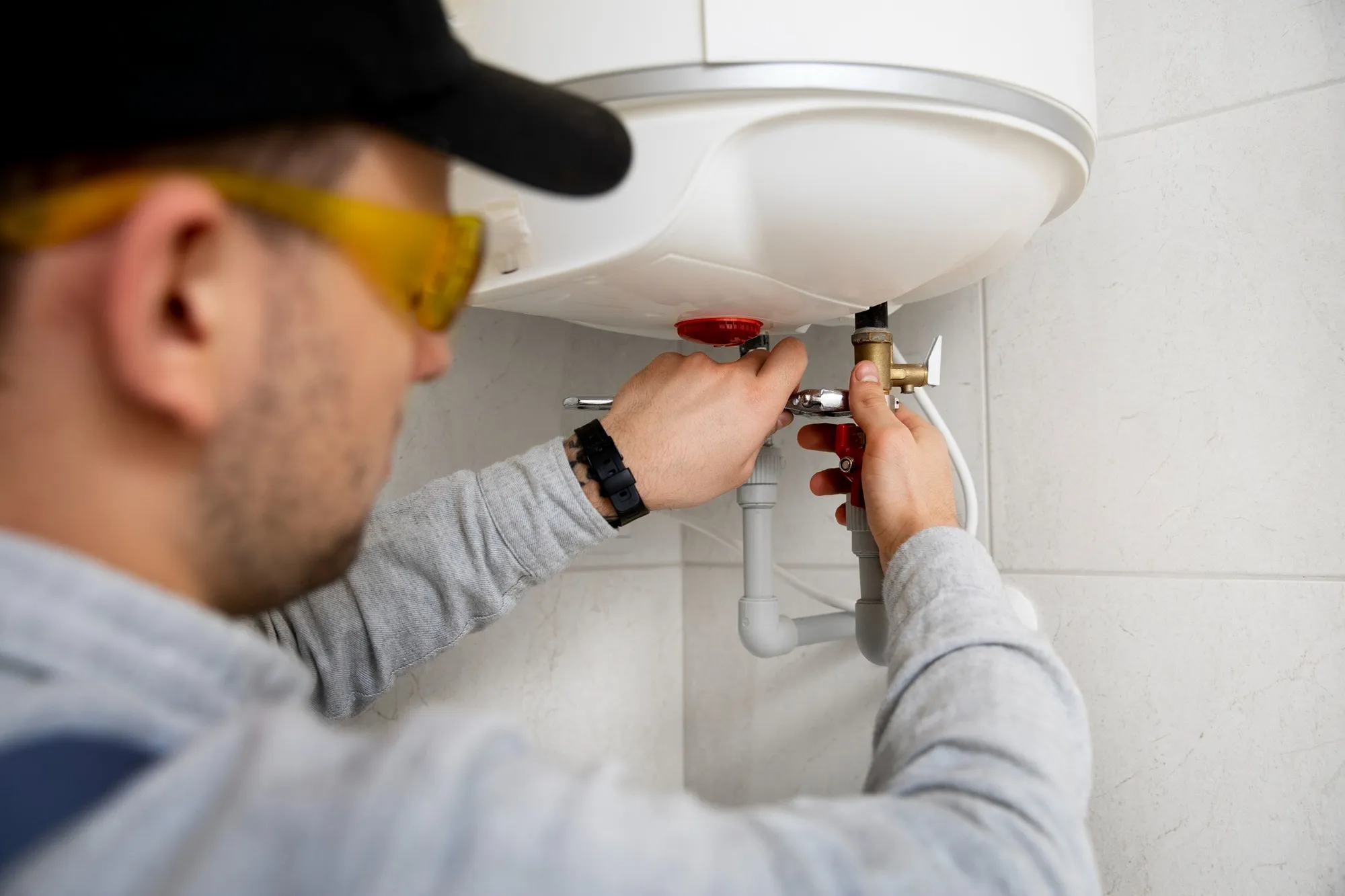
How to Improve Electric Water Heater Efficiency?
How to use a water heater most efficiently has become a concern for many people. So, how can you improve the efficiency of your electric water heater?
185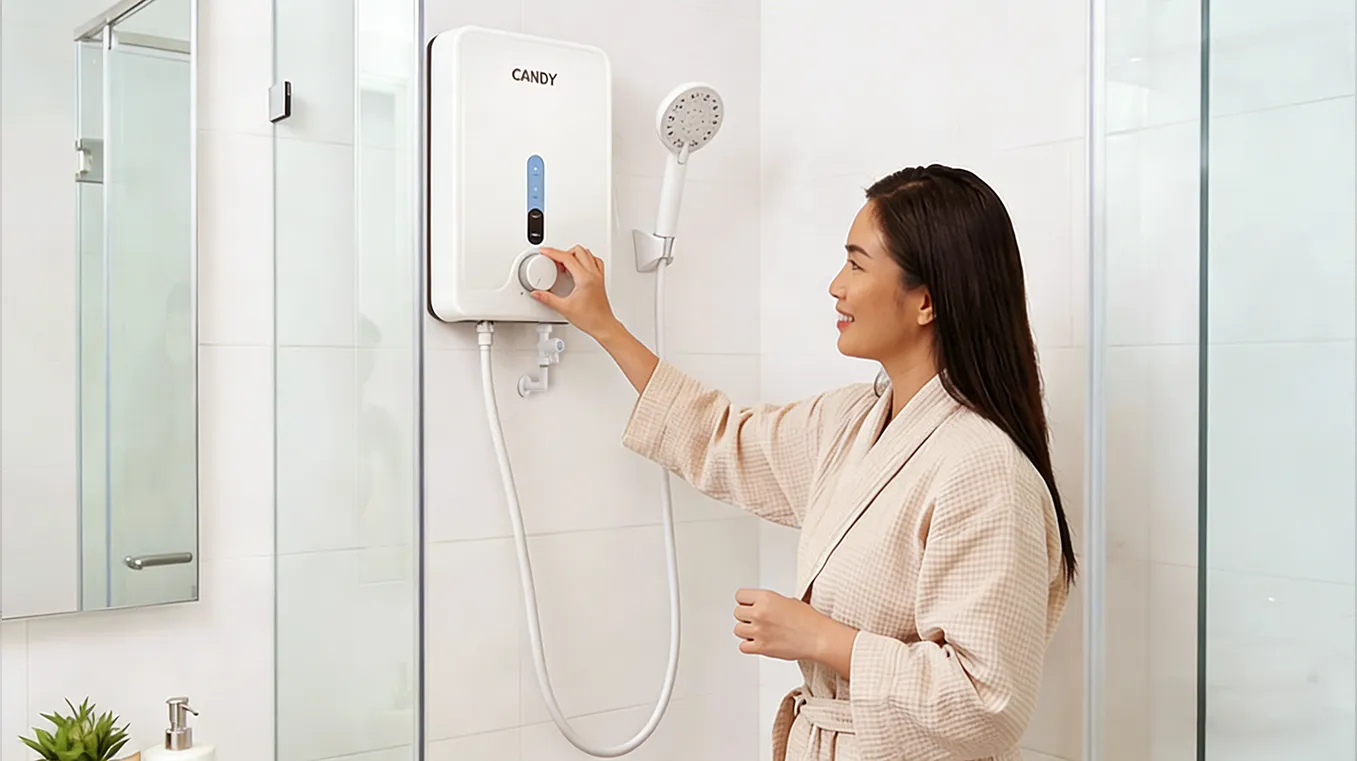
Tank vs. Tankless Water Heaters: Which is Best for Your Home?
When choosing an electric water heater, should you choose a storage-type or an instant water heater? Each type addresses the weaknesses of the other, but neither fully leverages the other's advantages.
169
How Many Watts Does A Water Heater Use?
When you're enjoying a hot shower or soaking in a warm bath, you probably don't think about "how many watts does my water heater consume?" But understanding the power consumption of your electric water heater can help you better understand your electricity bill.
185