
Tank vs. Tankless Water Heaters: Which is Best for Your Home?
When choosing an electric water heater, should you choose a storage-type or an instant water heater? Each type addresses the weaknesses of the other, but neither fully leverages the other's advantages.
I. Storage-Type Electric Water Heaters
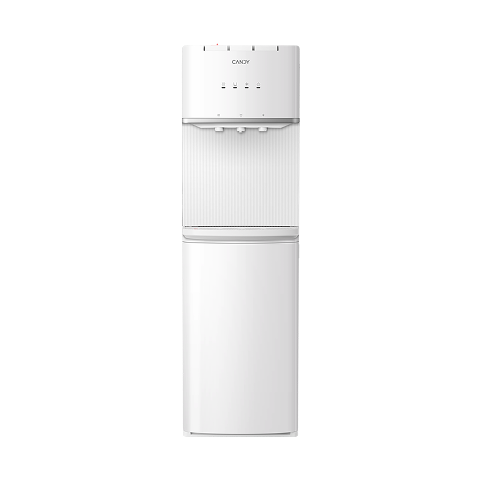
Storage-type water heaters heat water and store it in an insulated tank. When needed, the hot water in the tank is ready to use. Generally, storage-type electric water heaters have a large capacity, typically between 30L and 100L, and some even offer larger capacities, suitable for families or multiple people using hot water simultaneously.
Advantages of Storage-Type Electric Water Heaters:
Large Capacity, Suitable for Multiple Users: For families with many members, everyone can use the water at the same time for showering, washing clothes, or washing dishes, which is very convenient.
Stable Water Temperature: Storage-type electric water heaters preheat the water, eliminating the need to wait for the heating process, resulting in a relatively stable water temperature during use.
Disadvantages of Storage-Type Electric Water Heaters:
Larger Space Occupancy: Storage-type electric water heaters have a large storage tank, which may require careful consideration of installation location for families with limited space. If your home lacks space, a storage-type electric water heater can be quite cumbersome.
Long heating time: Because the water in the tank needs to be heated and stored all at once, the heating time is usually quite long. Even with faster heating, it still takes time to fill the tank with hot water. Furthermore, if the tank is empty, you have to wait for it to be reheated, which can be inconvenient when you urgently need hot water.
High energy consumption: To ensure uninterrupted use, storage-type electric water heaters repeatedly reheat as the temperature drops, leading to some energy waste.
Ⅱ. Instantaneous Electric Water Heaters
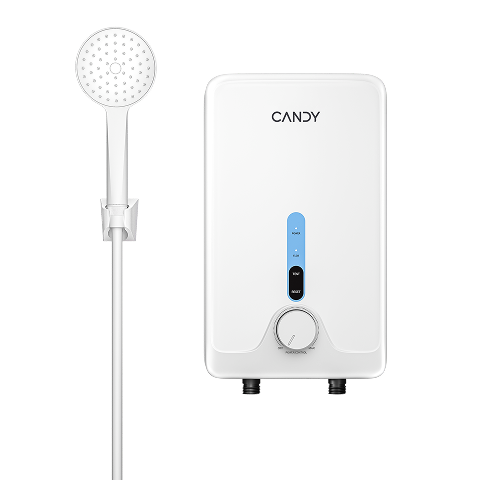
The working principle of instantaneous electric water heaters is completely different from that of storage-type water heaters. Instantaneous electric water heaters directly heat water flowing through the pipes using an electric current, eliminating the need for hot water storage. Each time it is used, the water is directly heated as it flows through the heating element.
Advantages of Instantaneous Electric Water Heaters
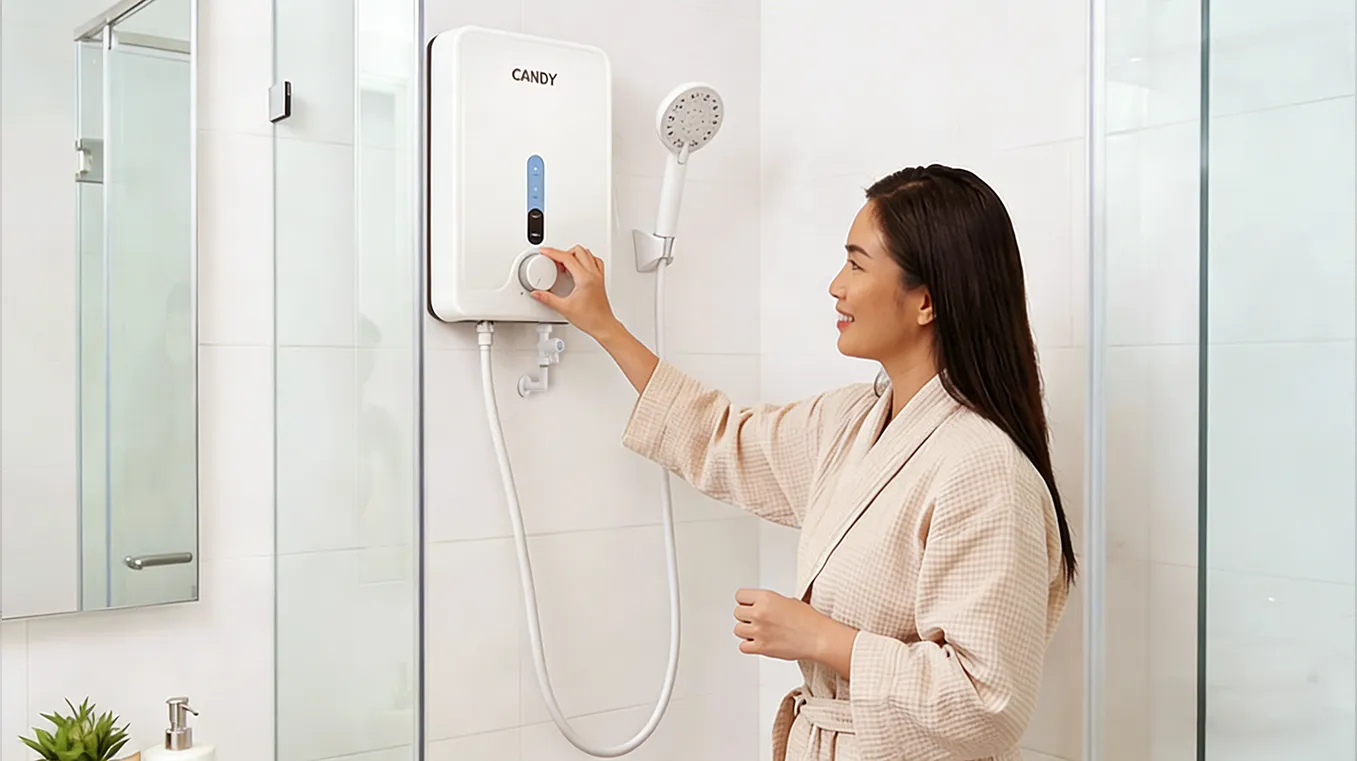
Small size, suitable for families with limited space: Instantaneous electric water heaters do not require a large storage tank, making them compact and ideal for families with limited space. They can be installed on the wall, saving considerable space.
Fast heating speed, hot water available instantly: Instantaneous electric water heaters do not have a storage process, so they provide instantly heated hot water. Especially for families who need hot water frequently in the morning or only occasionally, instantaneous electric water heaters provide hot water anytime, eliminating the hassle of waiting.
Energy-saving and environmentally friendly: Instantaneous electric water heaters only heat water when used, so compared to storage-type water heaters, they do not waste energy during long standby periods.
Disadvantages of instant electric water heaters
Significant water temperature fluctuations: Because instant electric water heaters heat water in real-time, the water temperature may fluctuate, especially when water pressure is unstable or water usage is high. The water may feel hot and cold at times.
Limited capacity: While instant electric water heaters provide hot water on demand, their heating capacity is limited, generally suitable for 1-2 people. If there are many family members or multiple people needing hot water simultaneously, the supply may be insufficient.
Storage-type and instantaneous water heaters each have their own characteristics and applicable scenarios. When selecting a water heater, you need to consider factors such as the number of family members, demand, space and installation requirements, and energy conservation. Only by fully understanding the characteristics of storage-type and instantaneous water heaters can you determine the most suitable water heater type.

How to Choose a Water Heater in the Philippines: A Complete Guide
There's nothing more comforting than taking a hot shower in cold weather. With a dazzling array of water heater types and features, how do you choose the right one for you? Check out our shopping guide!
 792
792
Electric vs. Gas Water Heaters: What Should You Choose?
Household water heaters can be broadly divided into two categories—gas water heaters and electric water heaters. So, which type should you choose?
261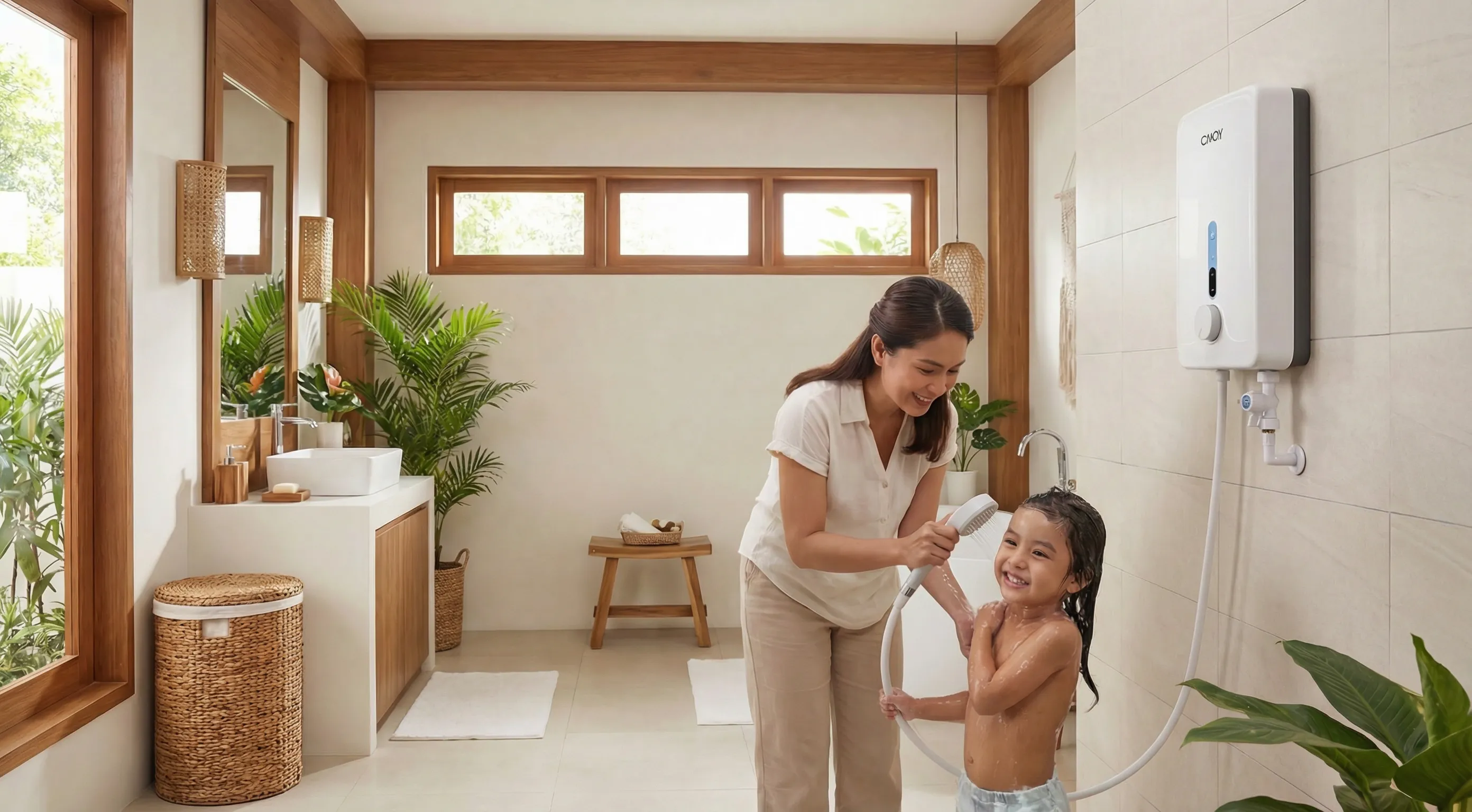
Candy Launches Dart Series Water Heater, Tailored for the Tropics
Candy officially launches its first instant water heater designed for tropical environments—the Candy Dart Series—in the Philippines.
263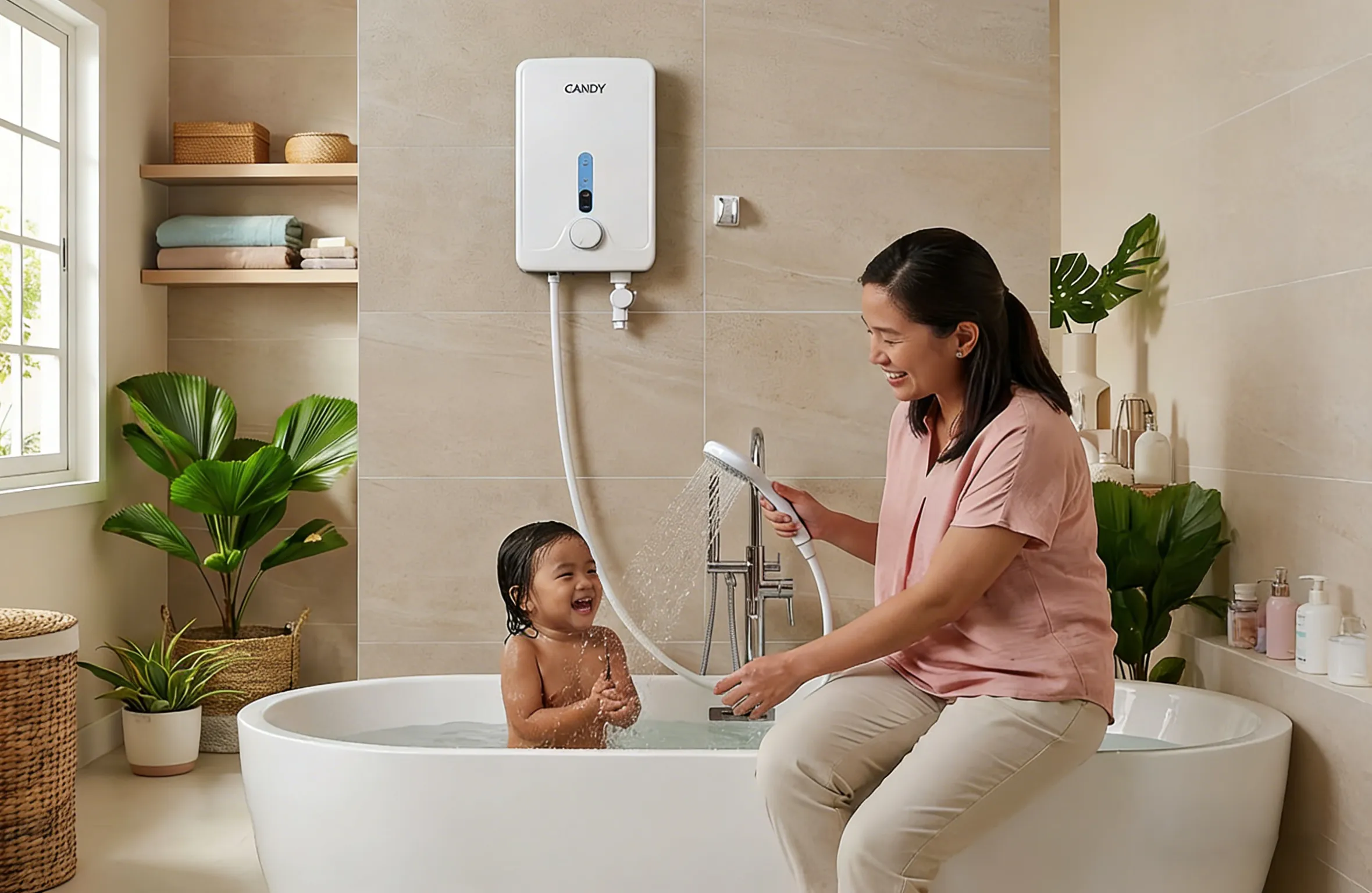
A One-Stop Guide For Different Types Of Water Heaters
With an increasing variety of water heaters on the market, how do you choose the right one for you? Before making a selection, it's essential to have a thorough understanding of the different types of water heaters.
152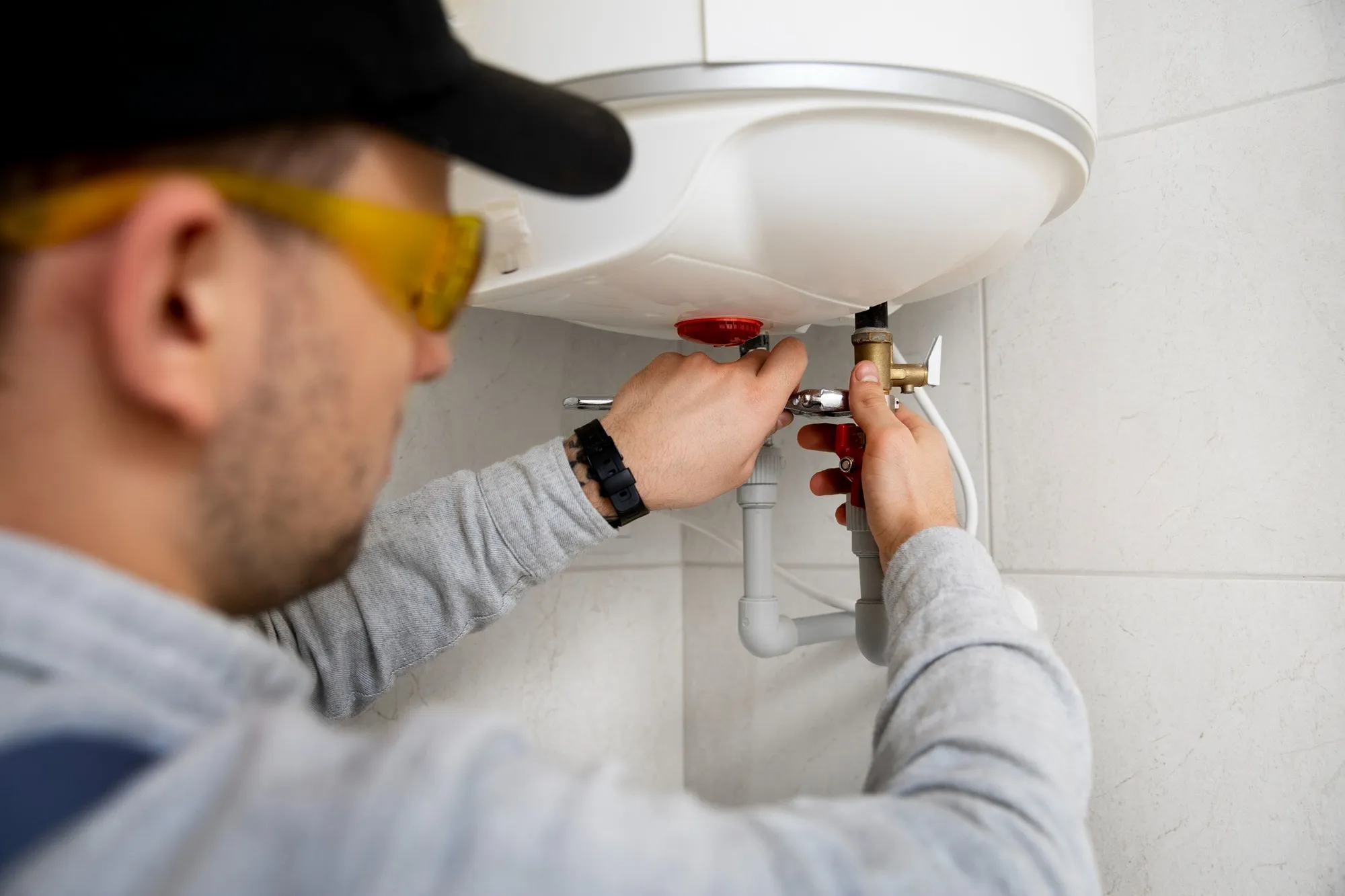
How to Improve Electric Water Heater Efficiency?
How to use a water heater most efficiently has become a concern for many people. So, how can you improve the efficiency of your electric water heater?
185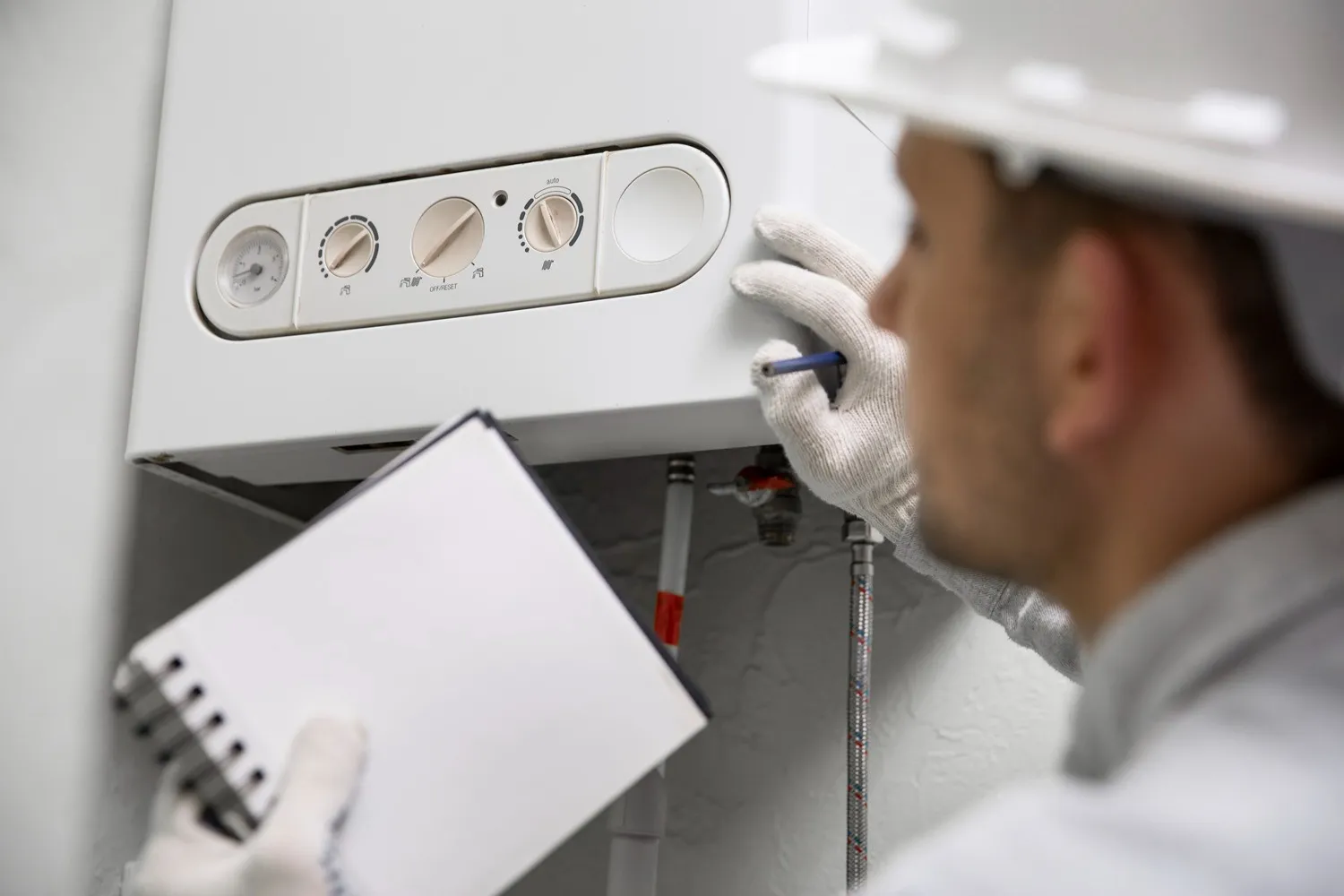
How to Maintain a Water Heater?
Water heaters are commonly used household products, but they require regular maintenance and cleaning. Proper maintenance can extend the lifespan of the water heater and improve its operating efficiency, leading to better energy savings.
176
How Many Watts Does A Water Heater Use?
When you're enjoying a hot shower or soaking in a warm bath, you probably don't think about "how many watts does my water heater consume?" But understanding the power consumption of your electric water heater can help you better understand your electricity bill.
185